At the 2002 Commonwealth Games in Manchester, Chunli Li won the women’s table tennis singles gold medal for New Zealand. She was 40. It is the obvious headline in a remarkable sporting life, but the fuller story includes the movement of knowledge between countries, years of international competition and work supporting other players.
Looking back in 2026, her record is best approached as an established chapter of New Zealand sport. It does not need to be dressed up as a new achievement to remain worth understanding, especially for readers interested in how Chinese-born athletes have contributed to their adopted country.
A sporting connection before migration
The New Zealand Olympic Team biography records Li’s birthplace as Guiping in Guangxi, China, in 1962. She developed her game through China’s specialist training system and joined the national team in 1981.
Her connection with New Zealand began earlier, on a visit with a Chinese junior team in 1980. An invitation to coach in Manawatū followed. The sequence matters: the relationship began through sporting exchange, before New Zealand became the country she represented internationally.
Table Tennis New Zealand’s Hall of Fame record places her arrival in late 1986 and eligibility to represent New Zealand in 1989. It records nine consecutive national open women’s singles titles, from 1987 to 1995. Those results show the immediate impact of an athlete arriving with extensive elite experience.
Four Olympics and a landmark Commonwealth Games
Li represented New Zealand at Barcelona 1992, Atlanta 1996, Sydney 2000 and Athens 2004. Olympedia’s competition record confirms the four appearances, including doubles participation with her sister Karen Li in 2000 and 2004.
Manchester offered another measure of her range. Alongside singles gold, she won women’s doubles silver with Karen, mixed doubles bronze with Peter Jackson, and a bronze in the women’s team event. The TTNZ chronicle for 2002 records all four medals and notes that this was the first Commonwealth Games to include table tennis.
The same archive describes a singles campaign in which she won every match either 4–0 or 4–1. Read beside the doubles and team results, the achievement is more than one successful final: it reflects the ability to contribute across several formats within the same tournament.
Passing expertise to others
Competition was only part of Li’s New Zealand contribution. The Hall of Fame account records that, between 2005 and 2013, she coached 15 national teams at international events. That is a different kind of sporting labour, less easily reduced to a podium photograph.
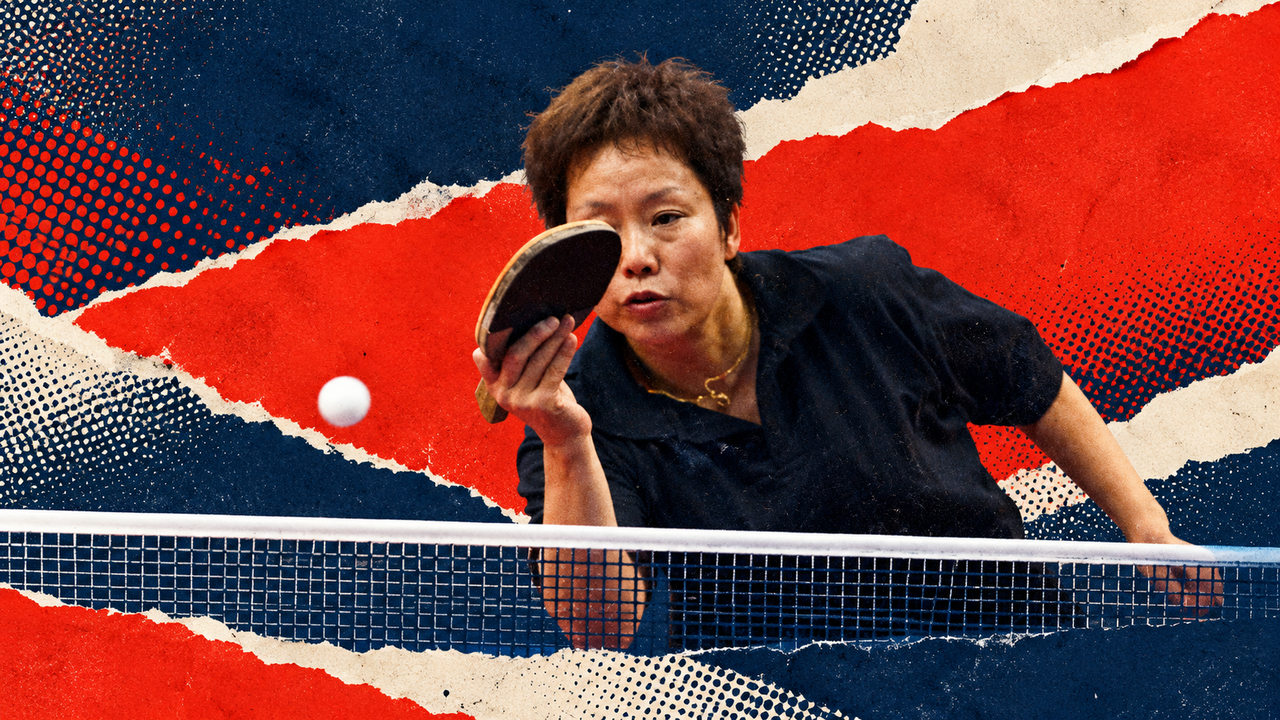
A 2014 New Zealand Olympic Team announcement described her return as a Commonwealth Games player after coaching at the 2006 and 2010 editions. It identified her playing style as a right-handed penhold attacker, a useful technical detail for readers whose knowledge begins and ends with the medal tally.
A legacy measured in more than medals
Li’s career connects development in China, representation of New Zealand and the sharing of expertise with subsequent teams. Those strands belong together. Sporting migration involves people carrying skills, habits and experience that can change the standard of competition around them.
Her story also encourages a longer view of athletic contribution. Winning, returning to competition and coaching are distinct forms of participation. In Li’s case, all three help explain why a gold medal from 2002 still opens onto a much larger New Zealand story.
Prepared on 25 October 2026 from the linked public sources. This is a source-based profile, not an original interview.