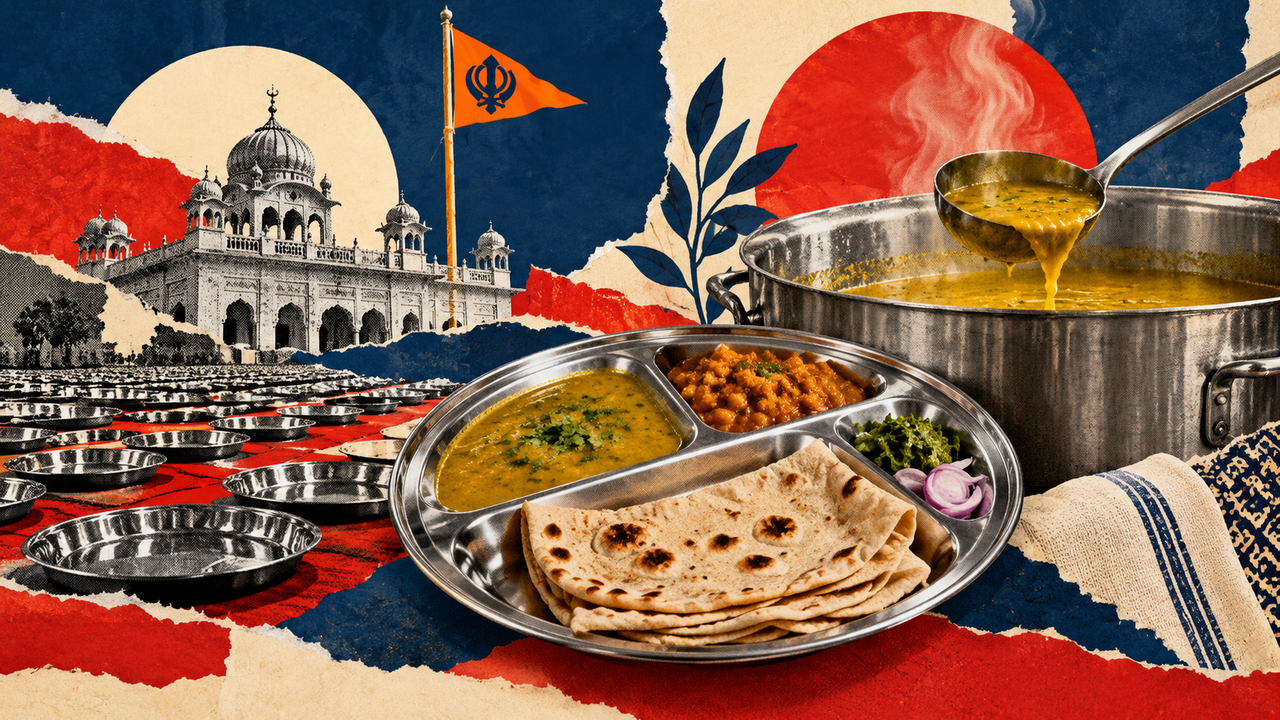
When Sikh volunteers provide a meal, the story extends beyond the food in the container. Langar, the free communal meal associated with a gurdwara, is part of an established religious tradition. Understanding that context helps explain why community kitchens can become important sources of support when a neighbourhood faces disruption.
Te Ara’s account of Sikh life in New Zealand describes the gurdwara as a place of welcome and records the provision of langar. It also explains two basic expectations for visitors: remove shoes and cover the head inside the place of worship.
An everyday practice with wider reach
The government’s Family Services Directory entry for the Supreme Sikh Society of New Zealand, last updated in April 2026, lists a community kitchen and food parcels among its activities. It describes the food service as free and accessible without a referral requirement.
That listing gives a practical picture of an organisation serving people beyond a single congregation. It should not be read as a guarantee that every Sikh centre operates the same programme or hours. Anyone planning a visit or seeking a particular kind of assistance should confirm arrangements directly with the organisation.
The distinction matters. A religious tradition provides the foundation, while each local group has to organise the people, supplies and facilities that turn an intention to serve into an actual meal.
What the 2023 floods revealed
During Auckland’s 2023 floods, that work became visible in emergency-support information. Volunteering Auckland’s contemporaneous directory listed gurdwaras on the North Shore, in New Lynn and in Takanini as sources of staple supplies and some cooked meals.
The same notice asked for food containers and delivery drivers, as well as communications support for the northern and western locations. Those requests reveal the practical tasks behind a food response: meals need packing, transport and coordination before they reach someone unable to collect them.
This is a record of the 2023 response, not a current emergency notice. Its addresses, requests and volunteer arrangements should not be reused as instructions for a future disaster without checking them again.
Service beyond the headline
A Stuff report republished by the Supreme Sikh Society in February 2023 described volunteers preparing food for flood-affected Aucklanders and distributing it by car and van. The report placed the emergency effort alongside meal preparation and assistance already happening before the floods.
That continuity is the significant point. Disaster coverage captures an exceptional moment, but the ability to respond can depend on ordinary routines: people who know how to work together, places equipped for cooking, and community members willing to supply ingredients or time.
Sikh volunteers were part of a wider Auckland response involving many community and faith organisations. Recognising their contribution does not require making them representative of every Indian New Zealander, or assuming that all Sikh people participate in the same way.
A respectful account can acknowledge both the faith behind the practice and the practical labour involved, without turning individual volunteers into symbols or stereotypes.
For a visitor, a communal meal can offer an introduction to a tradition that is unfamiliar. For someone seeking support, it may meet an immediate need. For the wider city, the history of these kitchens shows why understanding local community institutions matters long before the next emergency arrives.
Source-based community feature. Sources checked on 25 October 2026. Flood-response examples refer to 2023; no original interviews were conducted.