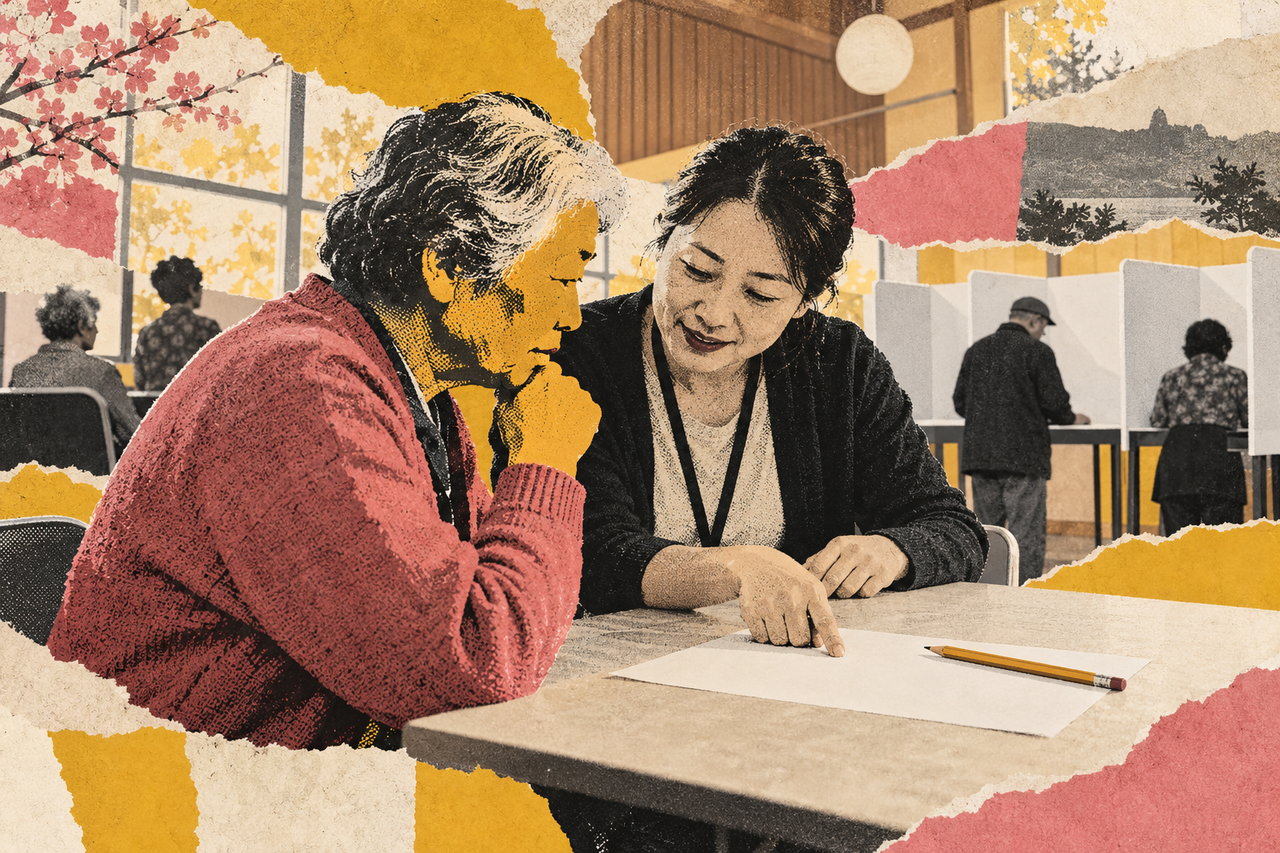
With the enrolment deadline approaching, some older Asian migrants are still looking for a clear explanation of how to participate in New Zealand's general election.
RNZ's 15 October reporting described two different experiences among Chinese residents: a long-time migrant who felt disconnected from elections, and another who wanted to vote but lacked confidence in the process. Those individual accounts help explain why eligibility alone does not ensure participation.
Where community support makes a difference
Age Concern Auckland told RNZ that a session held with the Electoral Commission for Mandarin- and Cantonese-speaking seniors exposed confusion about the two votes, enrolment and the consequences of voting. The organisation also highlighted transport difficulties and limited confidence with digital information.
Its response was practical: more face-to-face outreach, bilingual help and printed information. RNZ also reported the Electoral Commission's view that translated resources and community engagement were available. The gap is partly about whether people can find and use that help.
The deadline to act
The Electoral Commission's enrolment page says people must enrol or update their details by midnight on 25 October 2026 for this general election. Readers should use the official page to check their record and the available ways to return a form.
Someone who is unsure about eligibility should check with the commission before relying on advice circulated in a community chat. This article concerns people eligible to enrol; it does not assume that every migrant or visa holder can vote.
Language help and support at the voting place
The commission's multilingual resources page includes guides in simplified Chinese, Japanese, Korean and other languages. Its freephone number, 0800 36 76 56, offers access to an interpreter when callers state their preferred language.
Separate official guidance says a friend, family member or electoral official can help someone read or mark a voting paper. The support person can go behind the screen and mark the paper if asked. They cannot tell the voter who to choose.
For relatives helping an older family member, that creates a useful boundary: explain the process, help them contact the commission and support their own choice. A practice session can address uncertainty about the paper without turning into pressure about a party or candidate.
Non-partisan community briefing. Checked 22 October 2026; enrolment information is time-sensitive.