

Offshore scam centres are ringing Auckland restaurants with a large group-booking offer that comes with a costly catch. New Zealand Police say Chinese restaurants have been targeted so far, and the same pattern could spread as the festive season approaches.
The Auckland City Financial Crime Unit has received several reports in recent weeks. Police say one restaurant pre-paid $15,000 for abalone from a supplier in China, and the money has since been lost offshore.
Chinese restaurant owners had already been warning each other online before the Police alert. On 30 October 2026, KanNZ (发现新西兰) reported a Xiaohongshu post by a New Zealand restaurant owner who said they nearly fell for the same “big booking plus buy abalone” trap.

How the scam works
Detective Senior Sergeant Craig Bolton says callers pretend to be based in New Zealand and want to book a large function. The condition is that the restaurant pre-pays for a large order of abalone (pāua) from a supplier in China.
Once the money is transferred, the scammers send a fake confirmation of a bank transfer that is meant to reimburse the restaurant. The reimbursement is not real.
KanNZ’s report matches that Police pattern in more detail. According to KanNZ, the Xiaohongshu poster said the caller first booked two tables for about 20 people, then asked the restaurant to help buy 15 boxes of canned abalone from a named “supplier”, for about $14,700. The scammers claimed they would transfer the money first, then pressed the restaurant with repeated voice calls to place the order quickly.
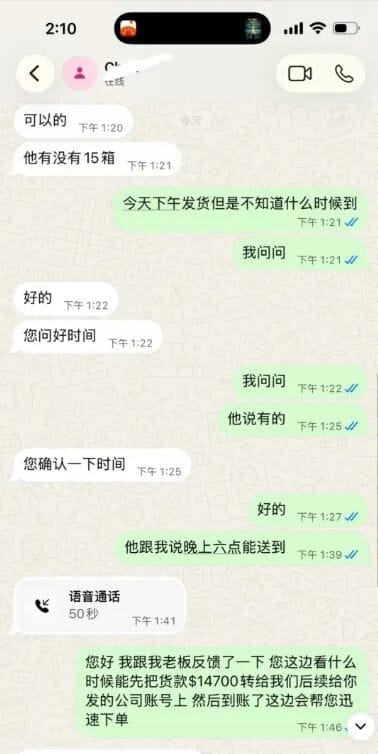
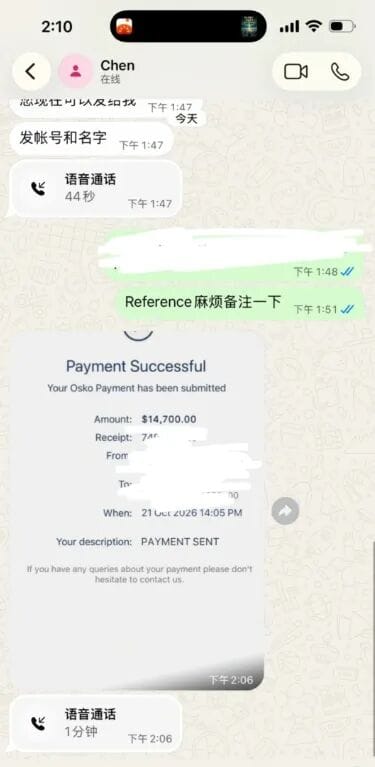
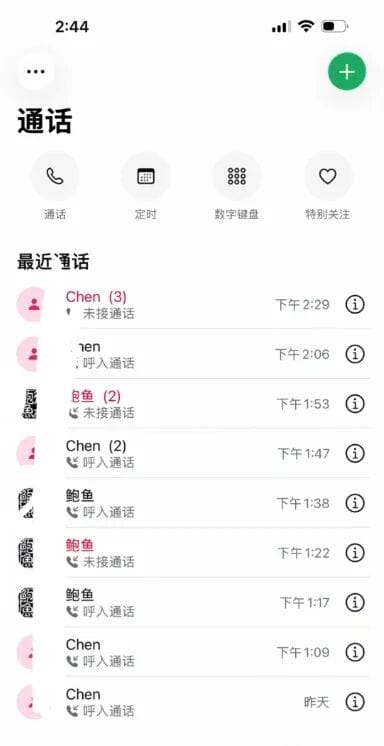
KanNZ reports the poster checked the company account and the $14,700 never arrived. The restaurant refused to pay the supplier until cleared funds showed in the bank, and the callers kept ringing.
Not just one shop
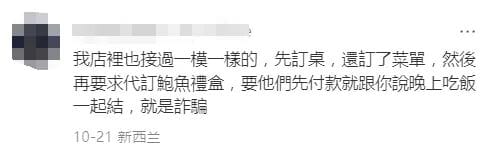
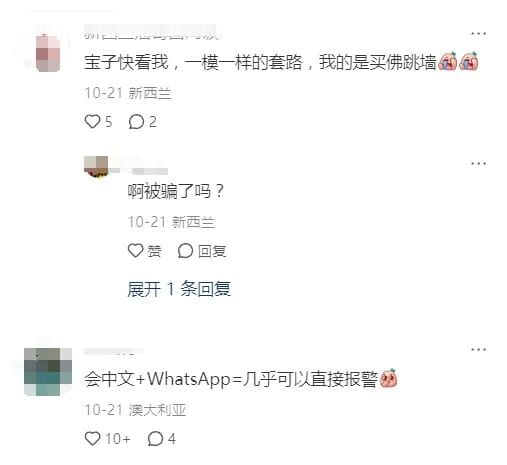
According to KanNZ, other restaurant owners in the Xiaohongshu comments said they had taken the same call. Owners tagged New Zealand locations including Auckland’s North Shore and Avondale, and Wellington. Some said the “customer” asked them to buy Buddha Jumps Over the Wall (佛跳墙) instead of abalone. Those are social-media accounts, not Police case files, but they show the script was already circulating in the Chinese hospitality community before the official alert.
Why restaurants get caught out
It is a busy time of year. A phone call offering a big booking can look like good business. Police warn that any request to pre-pay or transfer a large amount of money to a bank account needs extreme caution.
Detective Senior Sergeant Bolton says restaurants and venues should already have safeguards for event bookings. If a booking requires pre-payment or a large money transfer, Police advise doing that arrangement in person — not over a cold call.
Staff who take bookings should know the red flags even if the owner is off-site. A caller who will not visit the restaurant, who insists on a specific overseas seafood supplier, or who pushes for a same-day bank transfer is not a normal corporate function client.
Hospitality businesses already deal with no-shows and deposit disputes. This scam is different because the money leaves New Zealand before anyone realises the booking was fake. Once an offshore transfer is gone, recovery is difficult.
What Police and owners advise
Police advise business owners not to engage with this approach. If you have information that could help, or if your business has already been caught by the scam, report it online to Police or call 105.
KanNZ’s practical checklist for restaurant owners lines up with that advice:
- Do not pay a guest’s supplier for them. The customer should pay their own providers.
- Trust cleared funds in your bank account, not a transfer screenshot.
- Treat a caller who nominates a supplier you have never used as a red flag, especially if they keep ringing.
- For high-value seafood or gift-box orders, take a deposit first.
- If money has already gone, contact your bank straight away, report the scam to Netsafe (0508 638 723), and call 105.
The same kind of social-engineering pressure shows up in other consumer frauds we have covered, including fake marketplace payment screenshots and job-offer scams aimed at Filipino workers. The common thread is urgency plus a request to move money before you have verified the other party in person.
Police say Chinese restaurants have been the focus so far. That does not mean other hospitality venues are safe. Anyone taking large bookings should treat the same red flags seriously.
Sources: New Zealand Police, Scam alert: Booking scam stings restaurants (6 November 2026); KanNZ / 发现新西兰, 订20人包桌、15箱鲍鱼 (30 October 2026), WeChat article.